My Engineering Journey
From a young age, I was a typical Lego kid — constantly building, rebuilding, and inventing new creations with whatever pieces I had.
I also spent countless hours making things out of paper, most of them weapons, with my most notable creation being a detailed Assassin’s Creed-style hidden blade knife that actually functioned with a rubberband spring mechanism.
BSU Microgravity Research Team
I spent an incredible week in Houston where we tested our hardware at NASA’s Johnson Space Center and the Neutral Buoyancy Lab. I’m really proud of what our Boise State Microgravity Research team accomplished over the past year.
As one of the lead designers, it was an amazing experience watching our project go from initial sketches to a fully functional piece of hardware. We developed SPUD (Secure Passive Universal Dock) — an equipment retention device that proves the simplest, most manufacturable solution is often the best. I’m happy to say it performed exceptionally well during underwater testing and successfully met all the challenge criteria.
I was super proud to be a part of the team that built such a clean and highly functional device!
Special thanks to astronaut Steve Swanson and our industry SME Sarah Haight for their guidance and support throughout the project and during our trip.
Want to see SPUD in action? Check out our proposal video below:
Design Projects
Freshman Design Project
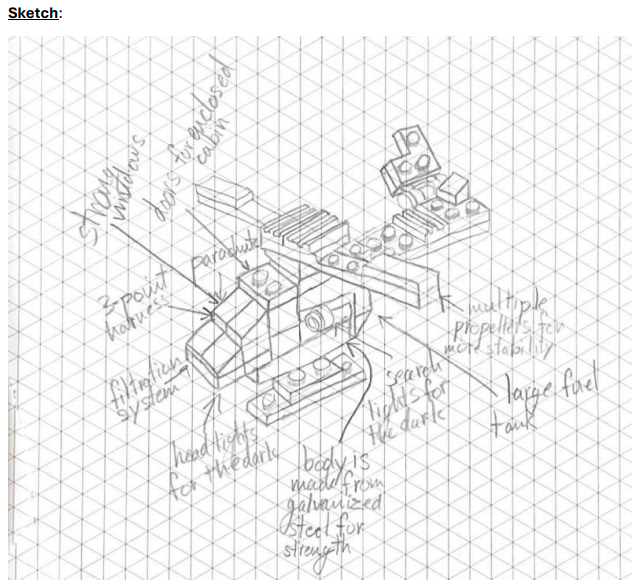
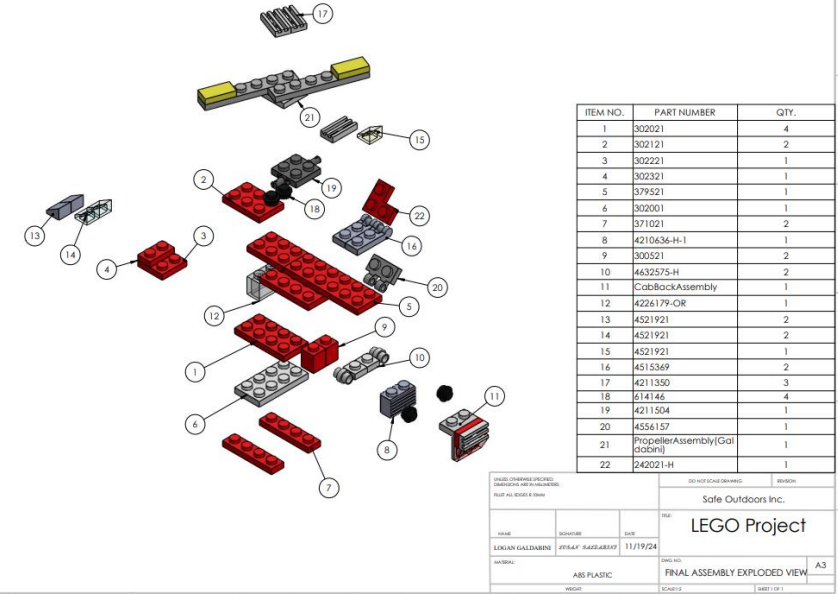
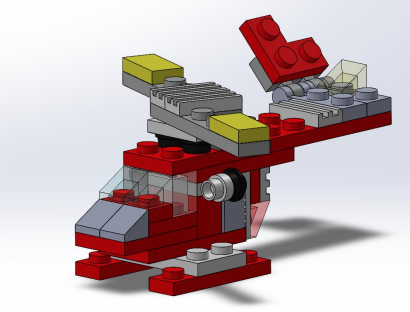
In this project, I used LEGO bricks as the building blocks of the design. I learned to create technical drawings in SolidWorks and became familiar with applying industry standards. Link to report.
Sophomore Design Project:
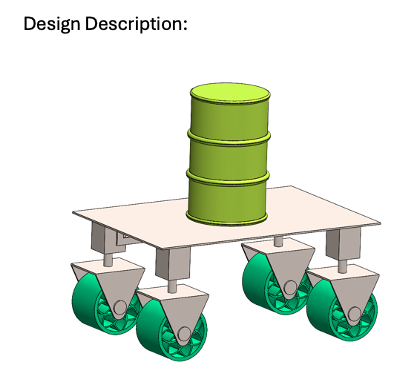
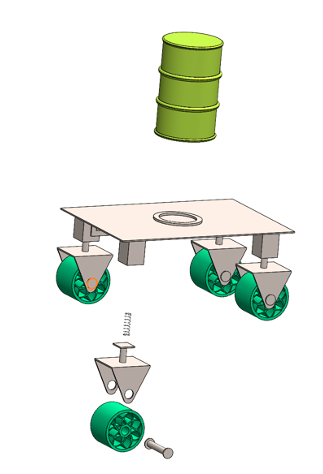
This was a hands-on engineering challenge in which each participant designed a cart and created detailed build instructions for it. We then swapped designs: someone else built my cart from the instructions I wrote, and I built another person’s cart from theirs.
The goal was to test how clearly and completely the designs could be communicated. The finished carts had to navigate an obstacle course while carrying a 5-pound steel cylinder upright, with the base of the cylinder resting unsecured on the top surface of the cart so that it would tip or fall if the vehicle was unstable.
Through the project, I also learned about the chiplet field, how to use COMSOL software, and how to couple multiple differential equations. Link to report.
Junior Design Project
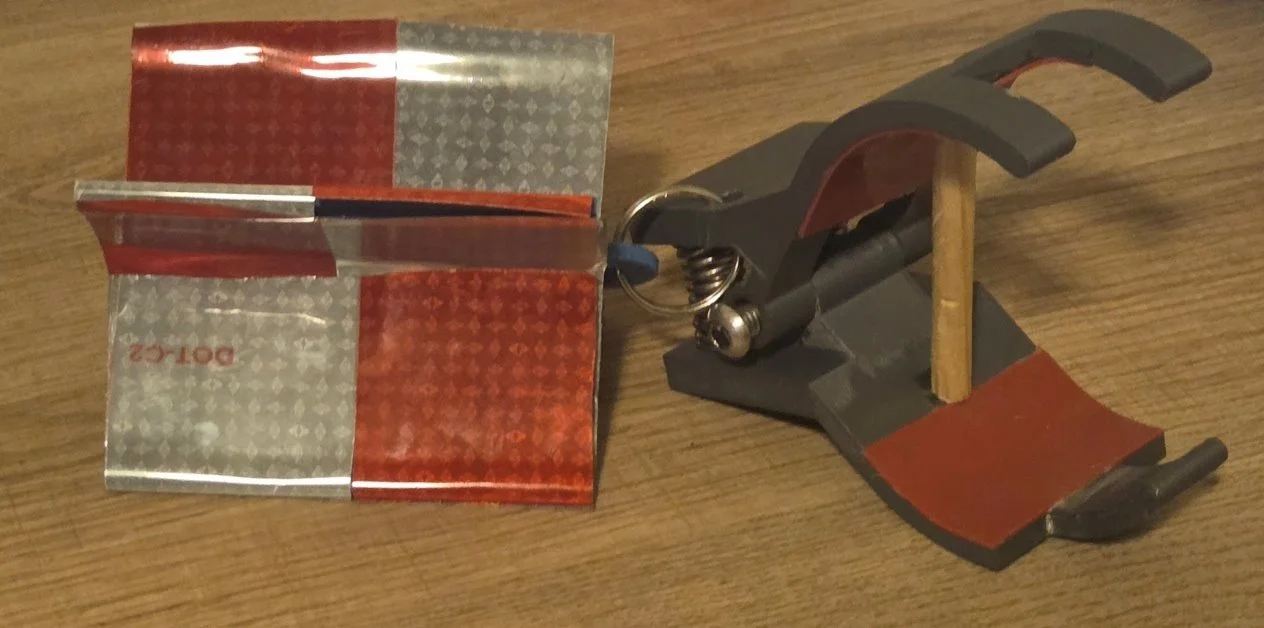
Avian collisions with power lines cause environmental harm and costly service disruptions. Traditional manual installation of bird diverters is labor-intensive and places workers near high-voltage lines.
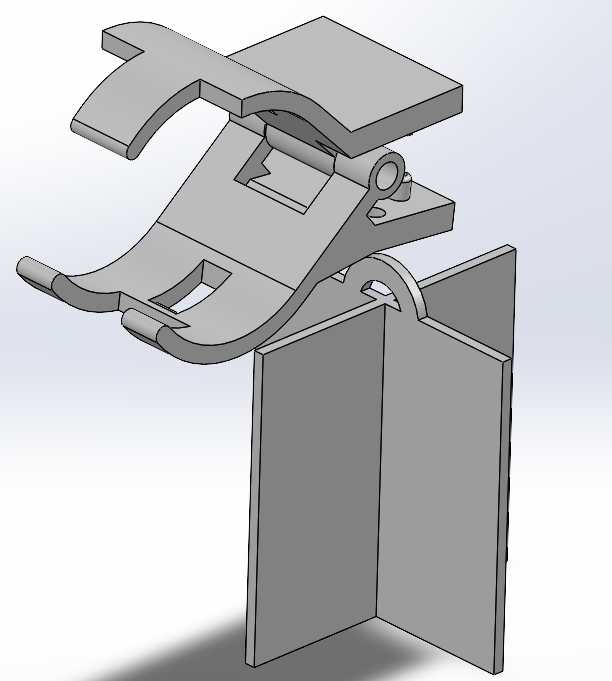
Our team designed a lightweight, drone-deployable bird diverter for safe, autonomous installation. It features a high-visibility checkered pattern that triggers avian depth perception and a spring-loaded mechanical clamp delivering 150 N grip for secure attachment in high winds. Constructed from durable ASA plastic, the unit is built for long-term outdoor exposure.
Current testing confirms the design meets weight, size, and budget targets. The prototype fell short of full clamping force due to a trigger pin failure; a simple redesign of the pin-release hole will resolve this and meet all performance requirements. Link to report.
Research Project
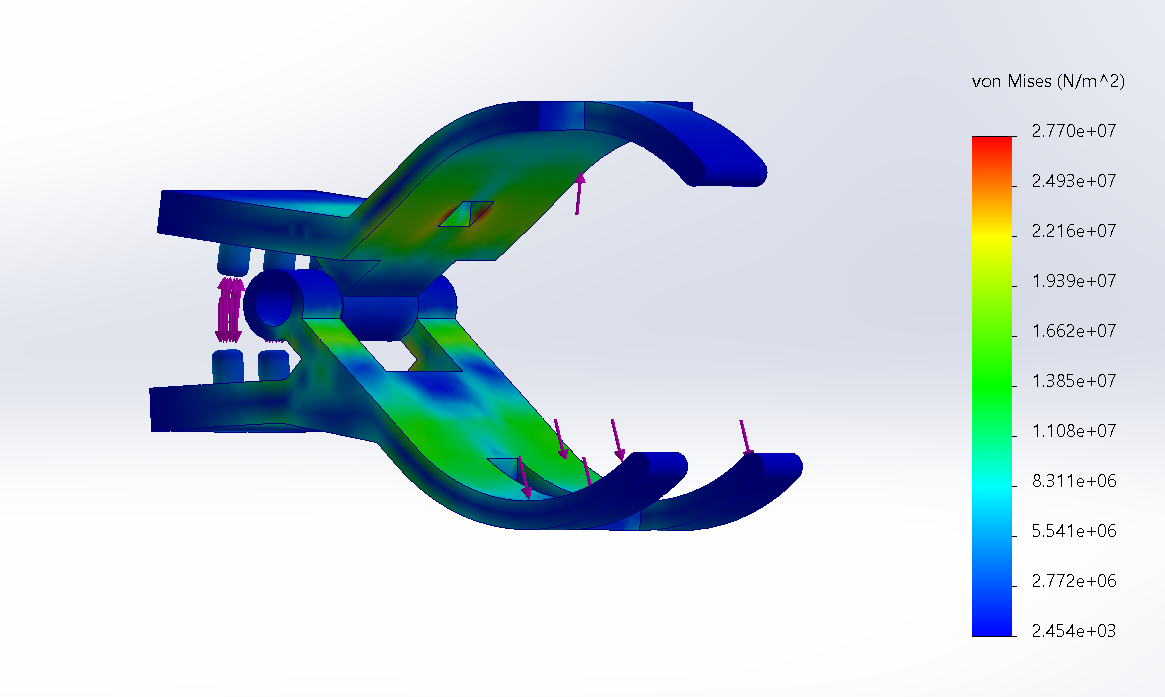
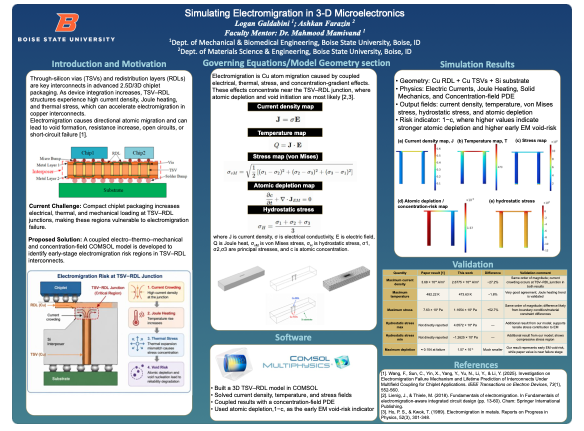
As part of my role as a Research Assistant in the BSU CMD lab, I participated in this project with Ashkan Farazin (mentor: Dr. Mahmood Mamivand), where I built a COMSOL multiphysics model to simulate electromigration risk in 3-D chiplet packaging.
It couples electrical current, Joule heating, mechanical stress, and atomic concentration in a copper TSV–RDL structure on silicon. The model shows that current crowding, temperature rise, and stress peak at the TSV–RDL junction—the most likely site for early void formation. Atomic depletion is used as the early risk indicator.
Results match published data in order of magnitude and correctly capture the early (pre-failure) stage of electromigration damage.
A big takeaway from this project was learning COMSOL.
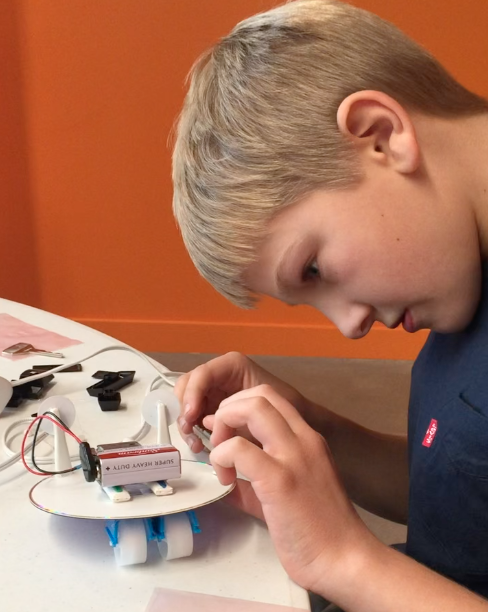
This is me at about age 10 making a “robot” out of an old CD , a battery and a vibrating motor.
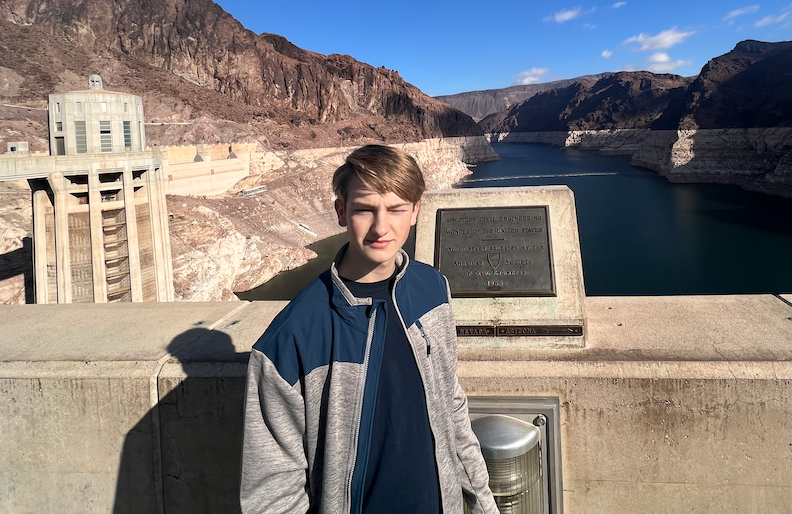
When I was 14, on a family vacation I was amazed by the Hoover Dam — especially the engineering behind those massive functional doors controlling the Colorado River. An absolute masterpiece of civil and mechanical engineering.